

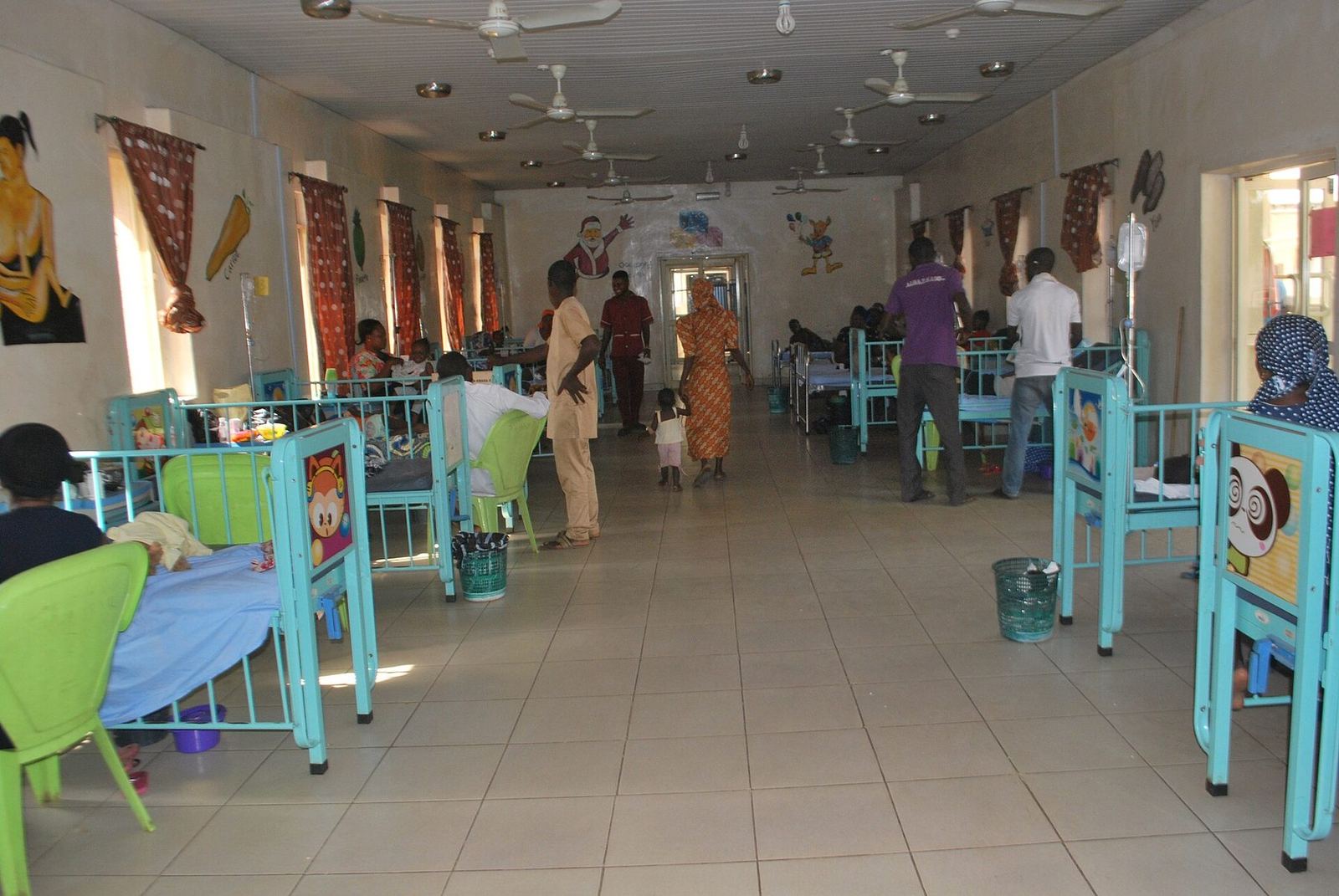

Ilorin, Nigeria
Our Peace Impact Approach
Economic exclusion and instability fuel conflict. I4P invests in businesses that address specific drivers of conflict.
The thesis
Why investment can be peace-positive
If economic exclusion and instability fuel conflict, then investing in businesses that address specific conflict drivers — in how they create jobs, build inclusive value chains and connect communities — should help build peace.
I4P does not find a deal and then explain why it is good for peace. It starts from where it wants to contribute, identifies the drivers of conflict in that context, and then looks for the investment. Where I4P cannot articulate which drivers of conflict an investment addresses, it is not treated as a peace-positive investment.
Why fragile and conflict-affected settings
This is where the need is greatest
Fragile and conflict-affected settings combine the highest development additionality of any market with the highest barriers to investment.
Sources: World Bank Group Strategy for Fragility, Conflict and Violence 2020–2025; World Bank FY26 List of Fragile and Conflict-affected Situations. worldbank.org
How capital is guided
Country strategies — an anchor, not the whole engine
In priority countries, I4P develops country strategies that identify the key drivers of conflict, the opportunities for the private sector to help mitigate them, existing peacebuilding activity that private investment could reinforce, and the KPIs to measure impact at company, regional and national level. These strategies shape origination and how investments are structured.
The balance between country-strategy-led origination and opportunities that reach I4P through partners and themes will be calibrated as the first pilots develop. I4P expects the majority of its portfolio to rest on a country strategy and aims to have strategies in place for all the countries where it is active — while leaving room to act on well-evidenced opportunities ahead of a full strategy. This approach will be revisited as the portfolio grows.
Portfolio composition
Not every investment is peace-positive on day one
I4P expects its portfolio to combine investments that are peace-positive by design with a defined share that are peace-neutral today but have a credible pathway to becoming peace-positive over the life of the investment. Peace-negative investments are excluded. I4P manages this balance at portfolio level, and progress is measured over time.
What we invest in
Commercially viable enterprises that mitigate drivers of conflict
I4P targets commercially viable enterprises that contribute to mitigating drivers of conflict, including by:
- Improving equal access to productive resources
- Improving equal access to services
- Reducing horizontal economic inequality
- Offering livelihood alternatives to extremism
- Building economic interdependence and increasing cross-community economic linkages
Risk management
Do no harm comes first
Conflict sensitivity is a precondition for every I4P investment, not a peace-positive outcome in itself. Before any claim of contribution to peace is made, I4P assesses both the risk that conflict poses to an investment, and the risk that an investment poses to conflict — and manages that risk across the investment lifecycle, from screening through to exit.
Business integrity and ESG standards are managed to the same discipline, adapted to the added complexity of fragile and conflict-affected settings — including heightened risks around beneficial ownership, sanctions exposure, human rights, and community and environmental impact.
A realistic claim
I4P is one instrument among many. Economic opportunity is necessary for peace, but not sufficient — political settlements, security and justice all have to play their part. I4P contributes to the conditions for peace; it does not claim to deliver it.
White Paper in development. A White Paper on I4P’s peace-impact approach is being prepared. A first draft will be shared with I4P’s Donor Advisory Committee and a wider group of experts for consultation and validation, with the open questions set out plainly rather than settled prematurely.
If you would like to contribute, please contact info@investingforpeace.com.